Our most popular varifocal Eyewear

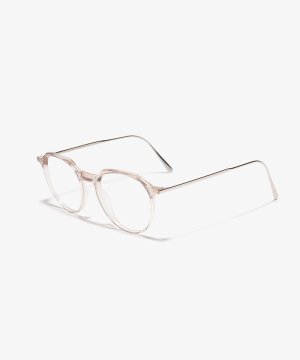
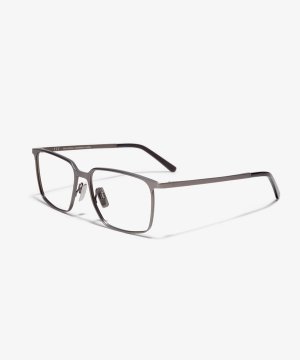
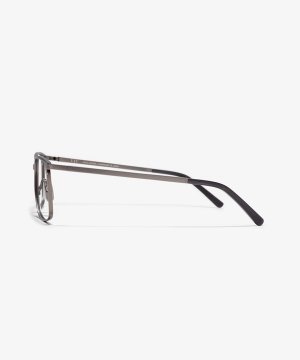
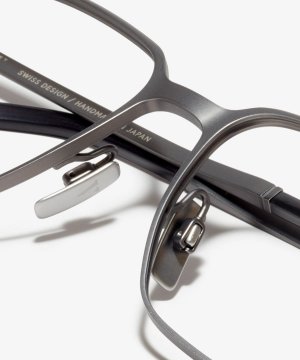
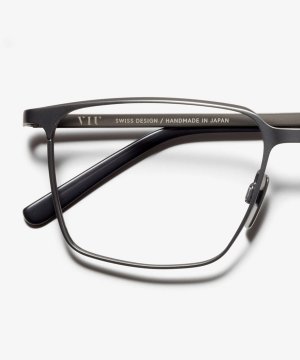

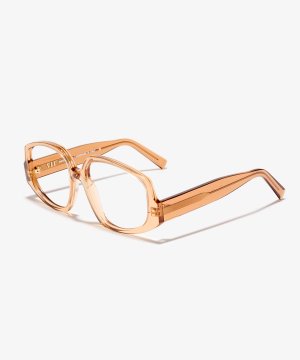
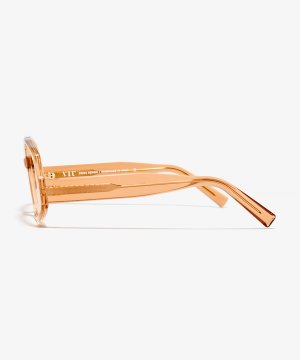
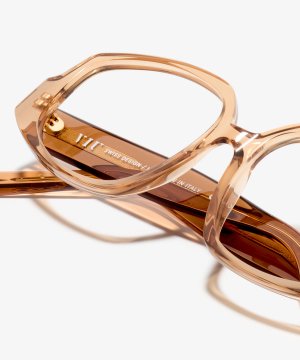
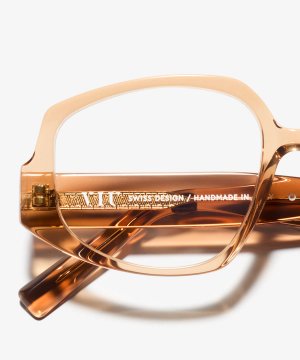
How do Progressive Glasses Work?
Structure of the Vision Zones
Progressive glasses function via an invisible graduation of lens powers. The upper area of the lens is designed for distance vision, the lower for seeing up close, such as when reading or looking at digital devices. In between lies a transition area that seamlessly connects both vision zones. For these zones to function optimally, the lenses must be precisely centered and exactly incorporated into the frame. Individual measurements such as pupillary distance, height of gaze, and the fit of the glasses are crucial for this.
Progression Between Distance and Near Areas
The so-called progression zone connects distance and near vision with each other. In this area, the visual strength changes fluidly so that a natural transition without visible dividing lines is created. How wide this area is depends on the lens design and the near addition. The better the lens is matched to the wearer, the more pleasant the vision at various distances will be.
Peripheral Blur and Usable Surface
Due to the special geometry of progressive lenses, slight blurriness can occur at the edges of the lens. The sharp, usable vision area is therefore primarily located in the center of the lens. Modern manufacturing technologies ensure that these peripheral blurs remain as minimal as possible. Basically: The higher the quality of the lens and the more precise the adjustment, the larger the comfortably usable vision zone.
When do You Need Progressive Glasses?
The need for progressive glasses usually arises between the ages of 35 and 45, when the eyes lose flexibility and seeing up close becomes increasingly difficult. Typical signs are that texts are held further away, small print is harder to recognize, or the eyes tire more quickly. As soon as an additional reading strength is required, a progressive solution can be useful. It replaces the need to switch between multiple glasses and ensures continuous visual comfort in everyday life. For farsighted people, the difference is often noticeable early on, while nearsighted people can sometimes still take off their glasses to read. Generally: The earlier you get used to progressive lenses, the easier the adaptation. Depending on needs and visual habits, there are different areas of application:
- For everyday life: Classic all-round variants cover all distances and are ideal for daily use.
- For screen work: Special solutions offer wider vision zones in the near and intermediate range, optimal as computer glasses.
- For on the go and driving: Optimized designs facilitate the quick change between the road, dashboard, and mirrors.
For sunny days: Progressive glasses are also available from us as sunglasses, for clear vision in different light conditions and optimal visual comfort outdoors. Which variant is right for you depends heavily on your individual usage behavior. In certain situations, such as intensive screen work, an additional specially adapted workstation lens can be useful.
Different Progressive Lens Qualities at VIU
Progressive lenses differ primarily in the size of the usable vision areas, the softness of the transitions, and the general visual comfort in everyday life. At VIU, you have the choice between three building-block options that adapt to different needs and visual habits.
Classic Progressive Lenses
Classic lenses offer a reliable solution for clear vision at all distances. The vision zones are harmoniously coordinated and enable a steady transition between near and far. They are particularly suitable for the entry into the world of progressive glasses and for everyone looking for a solid, everyday solution with natural depth perception.
Professional Progressive Lenses
Professional progressive lenses offer more precise vision areas and an optimized adjustment to your individual visual needs. Due to reduced peripheral blur, a more stable image is created, which is particularly noticeable in everyday life and with frequently changing gaze directions. This variant is suitable for everyone who wants a faster adaptation and an overall calmer, more comfortable visual experience.
Individual Comfort Progressive Lenses
Individual Comfort progressive lenses are the most individual and comfortable option. They are even more closely tailored to your personal visual habits and your everyday life, offering particularly wide, well-usable vision areas. The focus here is clearly on maximum comfort in daily use, with particularly soft transitions and a natural visual impression across all distances. Ideal for all those who have the highest demands for their progressive glasses.
Consultation, Service, and Buying Your Progressive Glasses
Progressive glasses are always individual; therefore, personal consultation plays a central role. In the VIU stores, experienced opticians accompany you through the entire process: from the free eye test to the selection of the right frame to the individual adjustment of your eyeglass lenses. While many glasses can easily be ordered online, a progressive solution requires exact measurement. An appointment in the store ensures that your visual strength is correctly determined, the lenses are optimally centered, and your glasses are perfectly fitted. Even after the purchase, the service remains: Adjustments, cleaning, or minor repairs ensure that your glasses fit comfortably and function reliably in the long term.
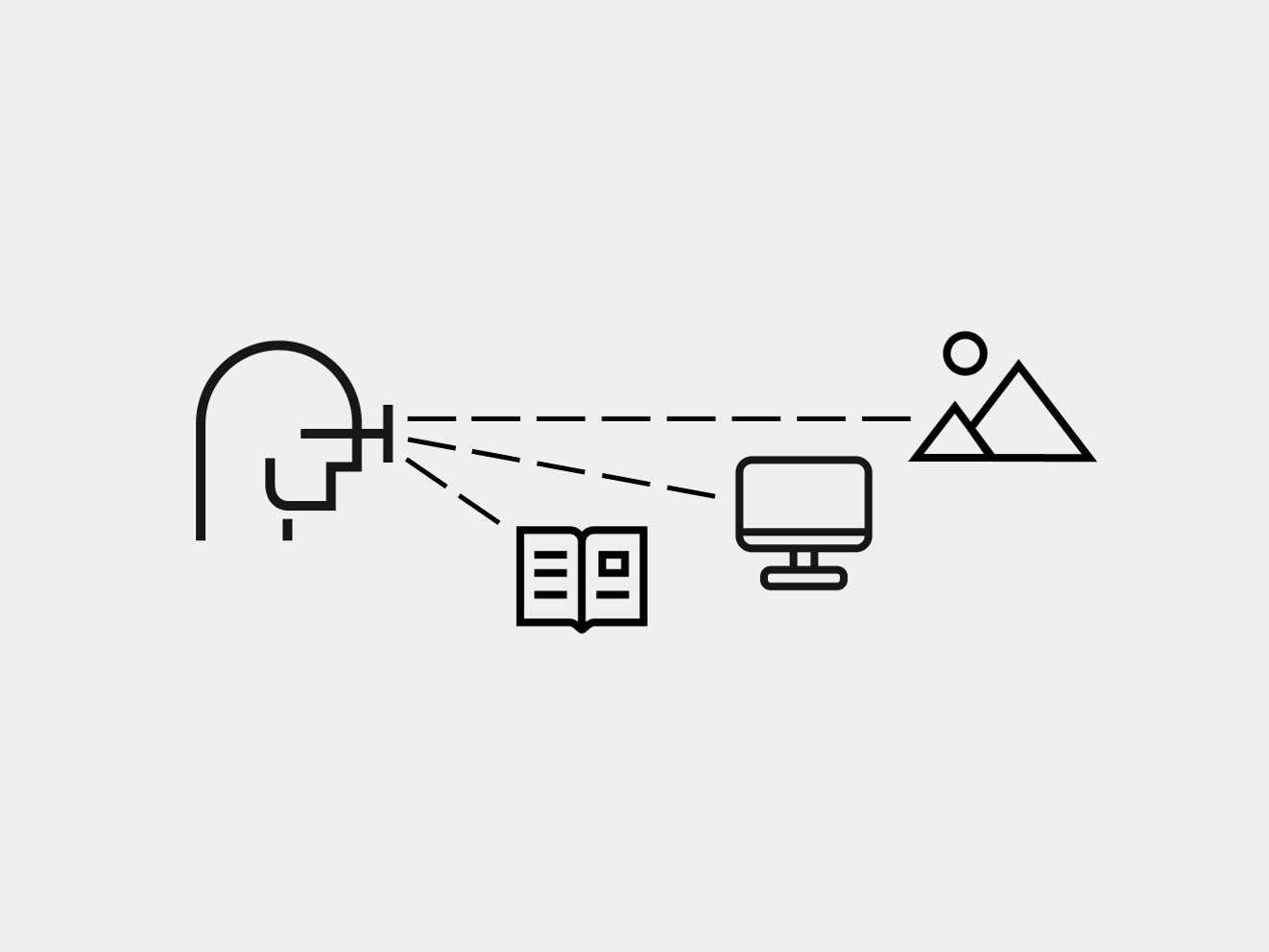
Progressive glasses are glasses with multiple vision zones in one lens that cover different distances. They enable smooth vision at near, intermediate, and far distances, completely without visible transitions. This makes switching between different glasses in everyday life unnecessary.
Progressive glasses are based on a continuously changing lens power within a single lens. This creates different vision zones that transition fluidly into one another and enable the most natural visual experience possible. The more precisely the lenses are matched to your individual values, the more pleasant the vision.

The adaptation to progressive lenses is individual and can take a few days to several weeks. During this time, your eyes learn to use the different vision areas optimally. With high-quality, well-fitted lenses, the transition is usually easier.
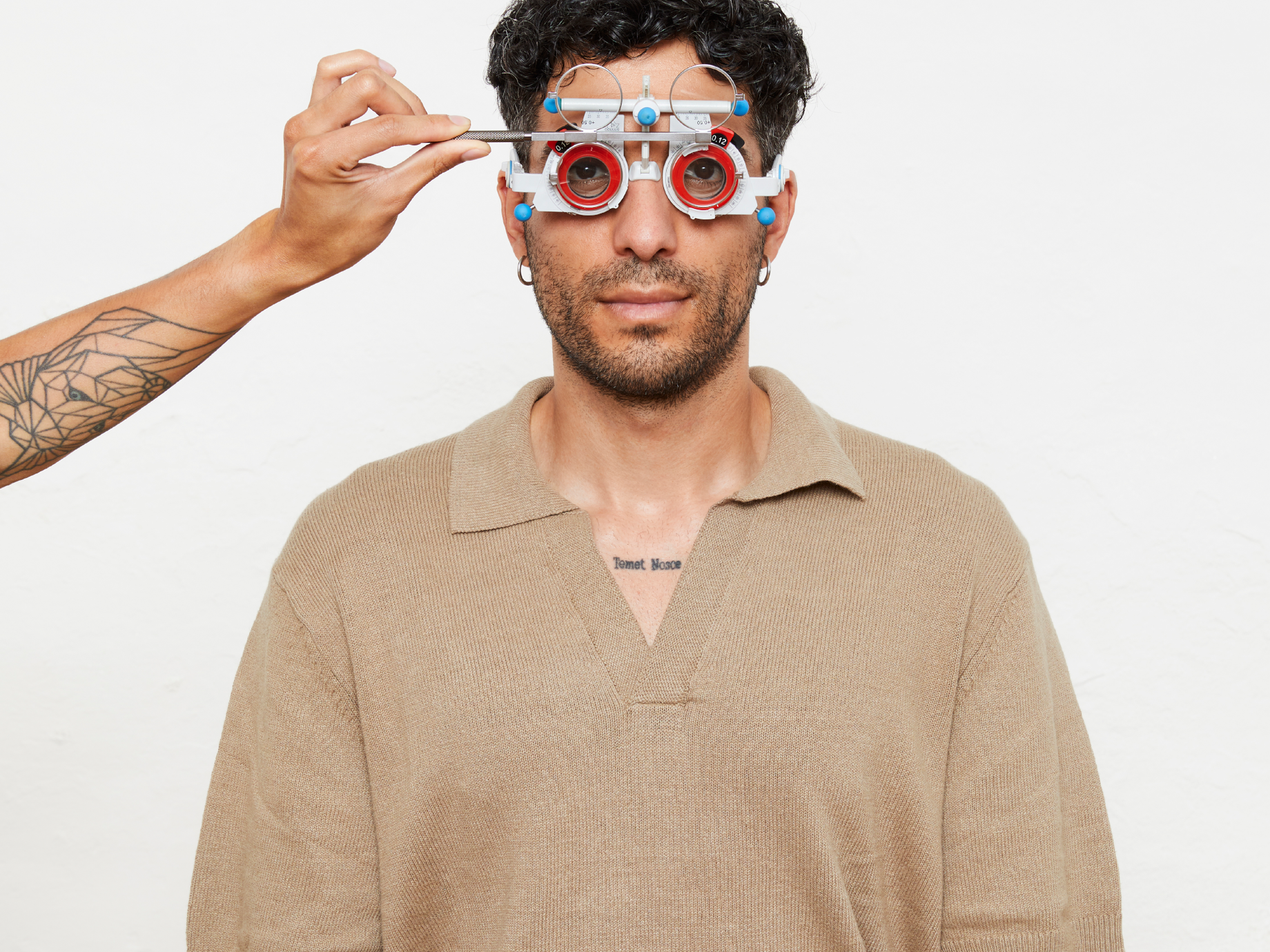
Yes, a professional eye test is crucial for optimally functioning progressive glasses. Only then can your exact visual strength and all relevant measurements be determined. These form the basis for individually adjusted lenses and long-term visual comfort.