

Lens Quiz
Finde heraus, was deine Augen wirklich brauchen
Ermittle deine persönlichen Sehgewohnheiten und finde heraus, welche Brillenglas-Lösung wirklich zu deinem Lifestyle passt.
Dauert 2 Minuten
Style Quiz
Finde deinen Style
Entdecke Brillen, die zu deinem Gesicht und Alltag passen


Dauert nur 1 Minute
Hoi zämmeeeee
Speed and cost that work at catalog scale. Generations complete in under four seconds, fast enough to feel interactive in a consumer flow. The model is also cheaper to run than comparable systems, which is what makes try-on viable across thousands of SKUs rather than a curated handful.
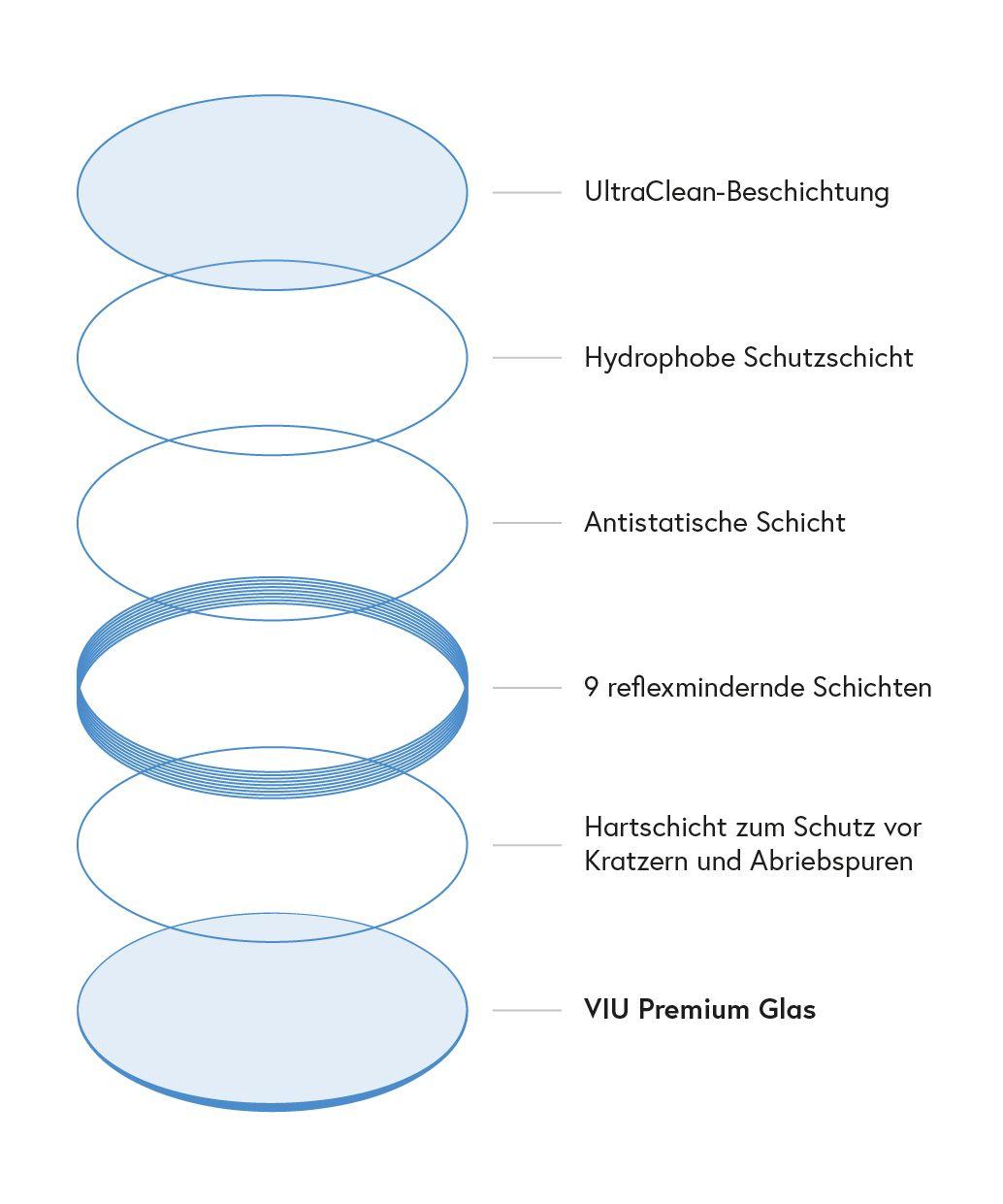
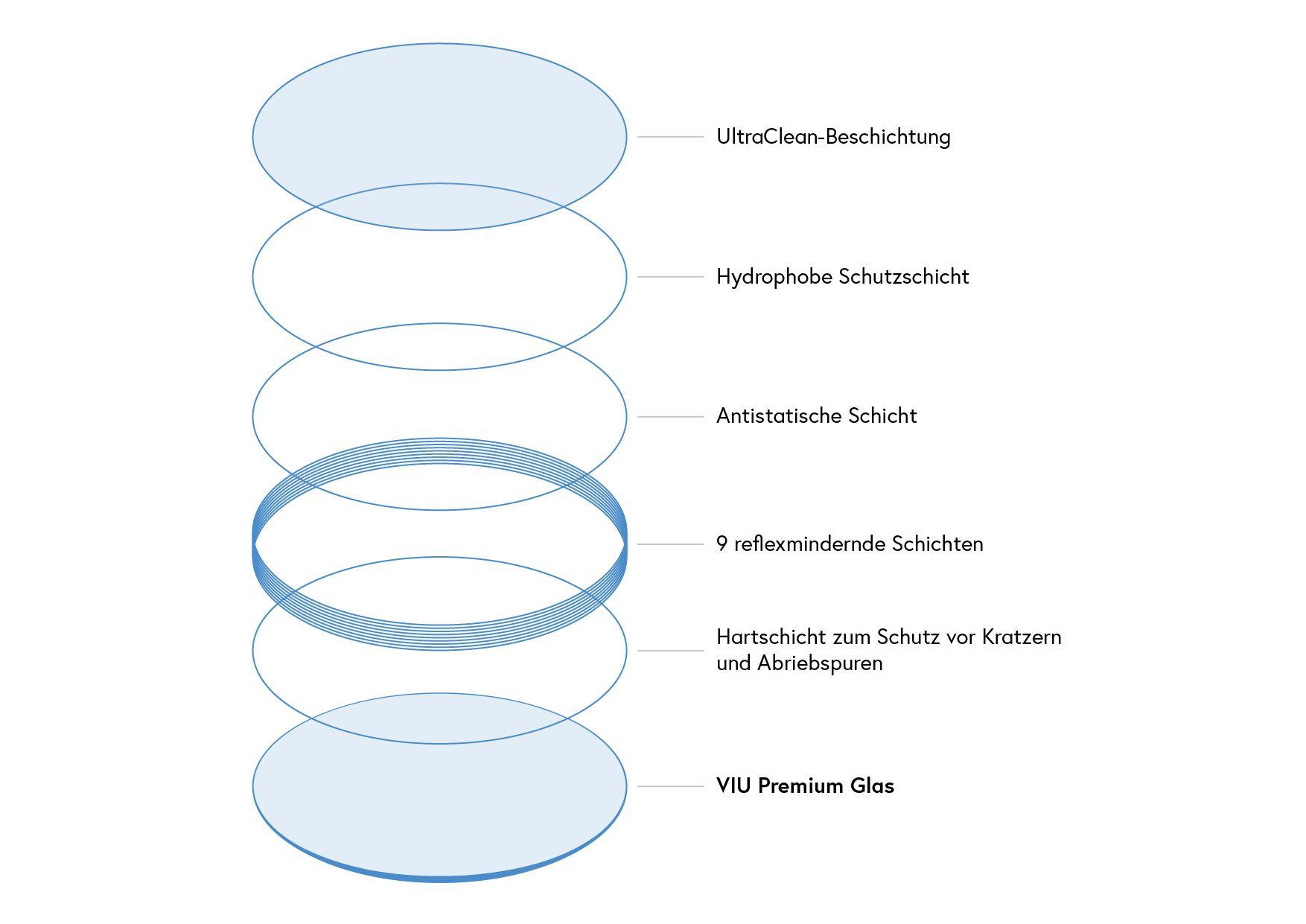

15 % Rabatt beim Kauf von zwei Brillen


Häufige Fragen


VIU Lieferkette
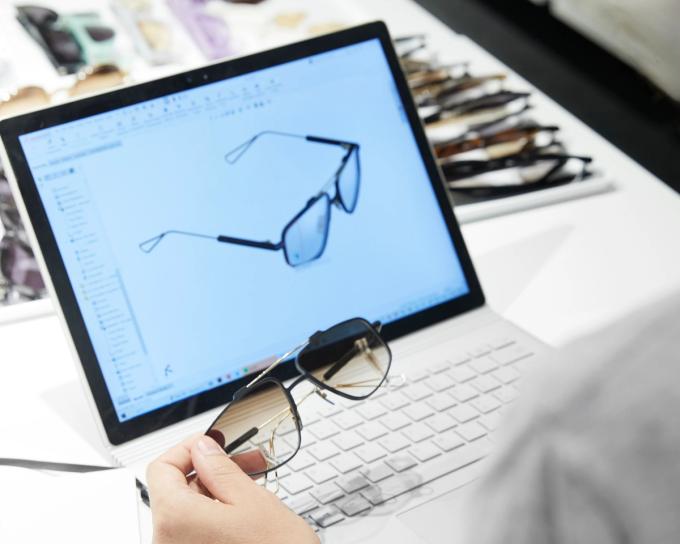
Angefertigt aus den besten Materialien der Welt. Hergestellt in unseren ausgewählten Partner Manufakturen.
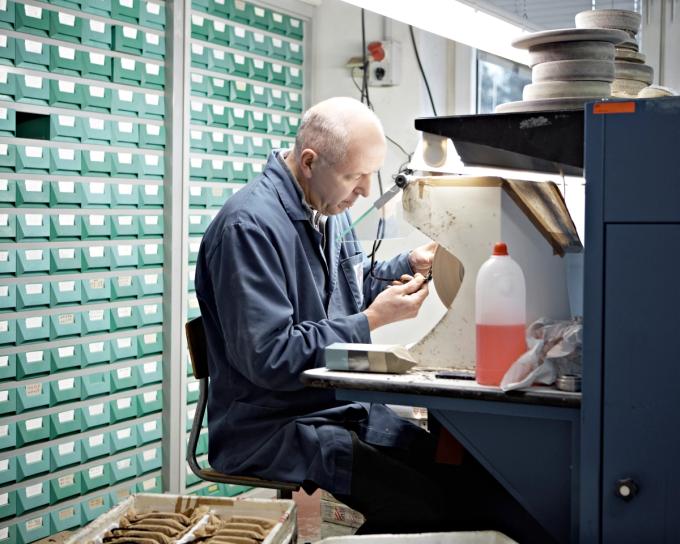
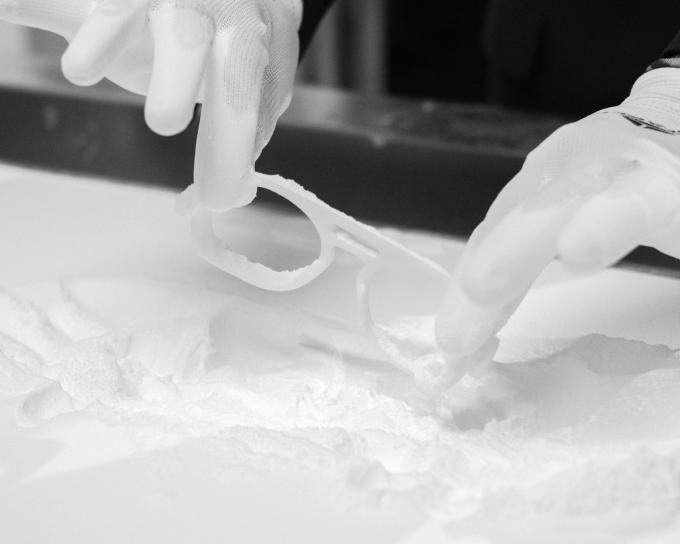
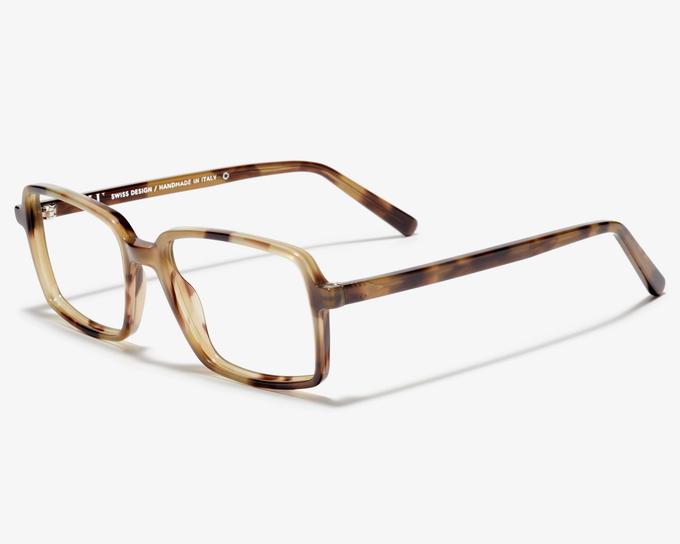
Acetate (Italien)
Unsere Acetat- als auch unsere nachhaltigen Acetat Renew Modelle werden in unseren Partner Manufakturen in Norditalien in mehr als 80 Schritten handgefertigt
Acetate Renew
Acetate zertifiziert Renew besteht aus recycelten Kunststoffen, biobasierter Zellulose und biologischen Weichmachern – kurz gesagt: aus 96% nachhaltigen Komponenten.
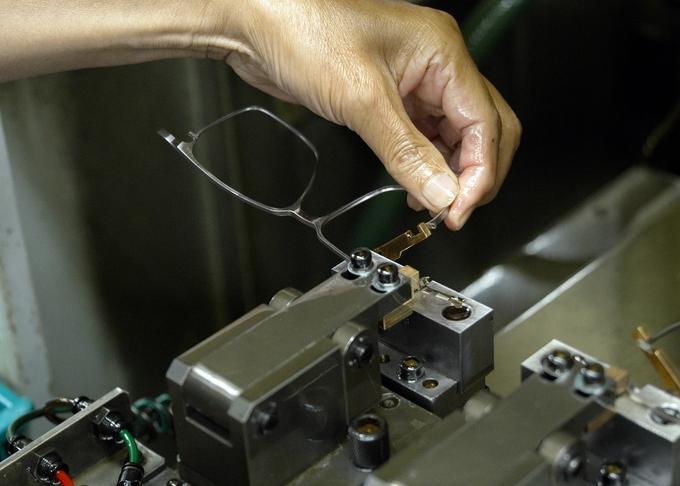
Titan (Japan)
Um die Wege möglichst kurz zu halten und beste Qualität garantieren zu können, werden unsere Titan-Modelle dort hergestellt, wo der hochwertige Rohstoff und die führenden Manufakturen zuhause sind: in Japan und Südkorea.
Beta-Titan (Südkorea)
Ultraleicht, extrem flexibel und äußerst bequem – Beta Titan kann sehr viel feiner als herkömmliches Titan verarbeitet werden. Das Ergebnis sind Brillen mit extrem dünnen und flexiblen Rahmen.




Item 1 link to prod
Dort auf dem Platze banden mitunter die kecksten Knaben ihre Schlitten an die Bauernwagen und fuhren dann eine tüchtige Strecke mit. Das ging gerade recht lustig
Item 1 link to prod
Dort auf dem Platze banden mitunter die kecksten Knaben ihre Schlitten an die Bauernwagen und fuhren dann eine tüchtige Strecke mit. Das ging gerade recht lustig

feqfefqw
efewfqfewfqwefq
The object type is the bread and butter of your data model. You use it to define custom types with fields of strings, numbers, and arrays, as well as other object types.
By default, object types cannot be represented as standalone documents in the data store. To define an object type to represent it as a document with an ID, revision, as well as created and updated timestamps, you should define with the document type. Apart from these additional fields, there's no semantic difference between a document and an object.
The object type is the bread and butter of your data model. You use it to define custom types with fields of strings, numbers, and arrays, as well as other object types.
By default, object types cannot be represented as standalone documents in the data store. To define an object type to represent it as a document with an ID, revision, as well as created and updated timestamps, you should define with the document type. Apart from these additional fields, there's no semantic difference between a document and an object.
The object type is the bread and butter of your data model. You use it to define custom types with fields of strings, numbers, and arrays, as well as other object types.
By default, object types cannot be represented as standalone documents in the data store. To define an object type to represent it as a document with an ID, revision, as well as created and updated timestamps, you should define with the document type. Apart from these additional fields, there's no semantic difference between a document and an object.
The object type is the bread and butter of your data model. You use it to define custom types with fields of strings, numbers, and arrays, as well as other object types.
By default, object types cannot be represented as standalone documents in the data store. To define an object type to represent it as a document with an ID, revision, as well as created and updated timestamps, you should define with the document type. Apart from these additional fields, there's no semantic difference between a document and an object.
Claude-Mem seamlessly preserves
context across sessions by automatically capturing tool usage observations, generating semantic summaries, and making them available to future sessions. This enables Claude to maintain continuity of knowledge about projects even after sessions end or reconnect.
Claude-Mem seamlessly preserves context across sessions by automatically capturing tool usage observations, generating semantic summaries, and making them available to future sessions. This enables Claude to maintain continuity of knowledge about projects even after sessions end or reconnect.
Claude-Mem seamlessly preserves context across sessions by automatically capturing tool usage observations, generating semantic summaries, and making them available to future sessions. This enables Claude to maintain continuity of knowledge about projects even after sessions end or reconnect.